Our story

The Story of the Farm Veles began with a simple idea, from ​​a couple who wanted to create a home for a better tomorrow. The resulting family business is a story of personal success, of conscious people who strive for a sustainable way of living for the benefit of both man and nature.

It began more than a decade ago in 2010 when Petra and Janez bought an old abandoned stable and began to renovate it based on natural construction. They volunteered in different projects, attended workshops and training courses at several companies in Slovenia and abroad to gain new knowledge, develop skills connected to living in nature, and widen their network.

At the farm, he and Petra are restoring traditional buildings using natural materials, embedding heritage into modern sustainable living. Their work reflects a deep commitment to permaculture, self-sufficiency, and the conscious use of local resources.
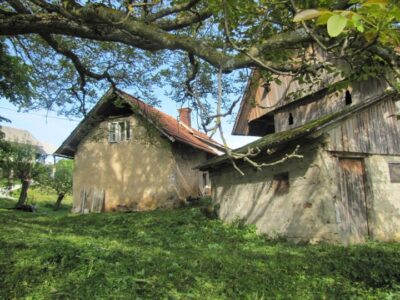
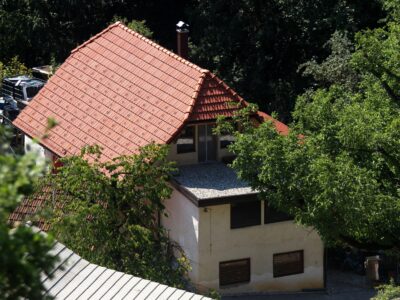
With all the experience gained from natural construction and organic farming, permaculture, and biodynamics, they opened a complementary activity in 2014 and Veles Farm was finally established. This opened the doors of the farm to organized volunteer work and the spread of natural and traditional construction in the business world. Only 2 years later, the vision went beyond bureaucracy and Veles was upgraded to Association for a sustainable way of life.

Veles - Slavic god

Veles, also known as Volos, is said to be the god of abundance and the underworld. Buying the farm, the couple was also connecting back to their Slavic roots. It seemed to them that living on the farm a balance between abundance and the underground was to be held; between light and dark; ease and challenge. Out of this vision, Veles Farm was born.

The people behind Veles

Over the years, many people have connected, collaborated, volunteered, and worked with Veles, sharing ideas, skills, and energy to grow a thriving community rooted in sustainability and regenerative living. It is through this growing community of engaged individuals that the vision and work of Veles comes to life, guided by the passion and leadership of Petra and Janez, co-creators of the farm and institute.

Petra Jazbec and Janez Jordan, co-creators of Veles Farm and the Veles Institute, combine permaculture, mentorship, and natural building to bring sustainability to life. Together, they lead workshops, restore the farm, and inspire communities—dreaming sustainable futures while building them, hand in hand.

Petra

A born teacher with a love for both people and the land, Petra Jazbec weaves learning and community into everything she does. As director of the Veles Institute and co-creator of the social–permaculture farm, she has spent more than a decade and a half helping this place grow into a living example of sustainability and shared vision.

Petra’s path began in primary school education, but soon branched into sustainability and youth projects. Today she works with youth, adults, companies, sustainable initiatives, and NGOs, guiding them toward more regenerative ways of living and working. As a facilitator she creates spaces where people can connect, learn, and imagine new possibilities together.

A permaculture teacher and certified Dragon Dreaming trainer, Petra brings a holistic, heart-centered approach to project design. She is also an energy coach supporting people to find balance, clarity, and fresh perspectives.

Petra embodies the spirit of Veles: rooted in nature, open to people, and always dreaming sustainable dreams.

Petra Jazbec
Janez Jordan

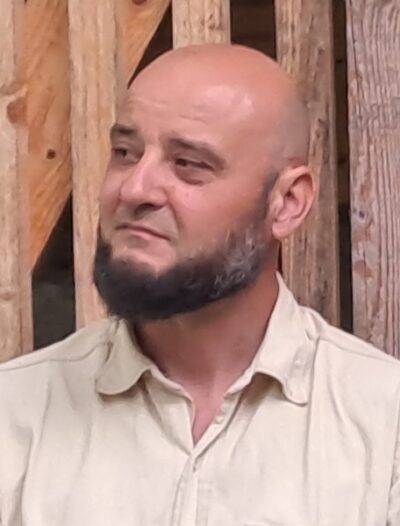
Janez

Janez Jordan is a co-founder and the hands-on heart of Veles Farm, where tradition meets sustainable living. By education, he is a security engineer, but by passion, he is a farmer and natural building pioneer.

For over a decade and a half, Janez has dedicated himself to exploring natural construction, becoming one of Slovenia’s early innovators in straw bale houses. He has always championed local materials—clay, straw, and wood—for creating healthy, sustainable structures.

In recent years, his focus has shifted to the final touches of natural building—fine plasters and decorative finishes—ensuring that both beauty and craft are preserved. He shares this expertise widely, mentoring youth, adults, and people with fewer opportunities at both national and international levels.

Through the Veles Institute, Janez combines hands-on building, workshops, and training to inspire a new generation of natural builders. 

Whether he’s applying clay plaster, guiding a self-builder, or teaching a workshop, Janez embodies the spirit of Veles: rooted in tradition, hands in the earth, and always building a sustainable future.

Vision

At Farm Veles and the Veles Institute, we cultivate sustainable, regenerative living—combining permaculture, natural building, and local traditions to create practical ways for people and nature to thrive together. We work with people of all ages through hands-on learning, mentorship, workshops, and community projects, sharing skills and knowledge that support self-sufficiency, creativity, and strong community connections. A core part of our work is passing on this knowledge to the next generation, ensuring that traditional wisdom and sustainable practices are preserved and applied for the future. Our vision is to inspire a world where nature, culture, and human ingenuity grow more in balance, and where communities live responsibly, building a better future together.

Principles & Models Implemented

Dragon Dreaming

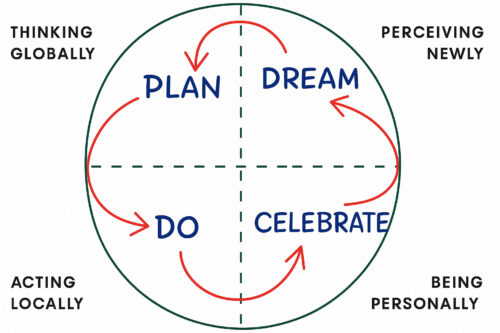
dragon-dreaming-cycle-graphic

Dragon Dreaming is an approach to project management that serves the earth, the community, and personal growth. It highlights the 4 phases of each project: dreaming, planning, doing and celebrating. All phases are equally important. 1/4 of the time of the project is dedicated to each phase. It is a method that takes into account natural cyclicality and growth or development; after each completed cycle (dreaming, planning, doing and celebrating) a new round starts.

Permaculture

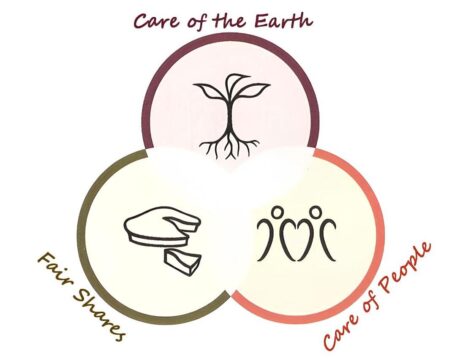
permaculture-ethics

The word Permaculture comes from the term PERMANENT AGRICULTURE, as the concept of permaculture in its beginnings was mainly concerned with sustainable methods of food production. Later, the ethical attitude towards nature extended to all aspects of living, and today the term permaculture is understood as a holistic system of planning based on three foundations: care for nature, care for people and fair share.